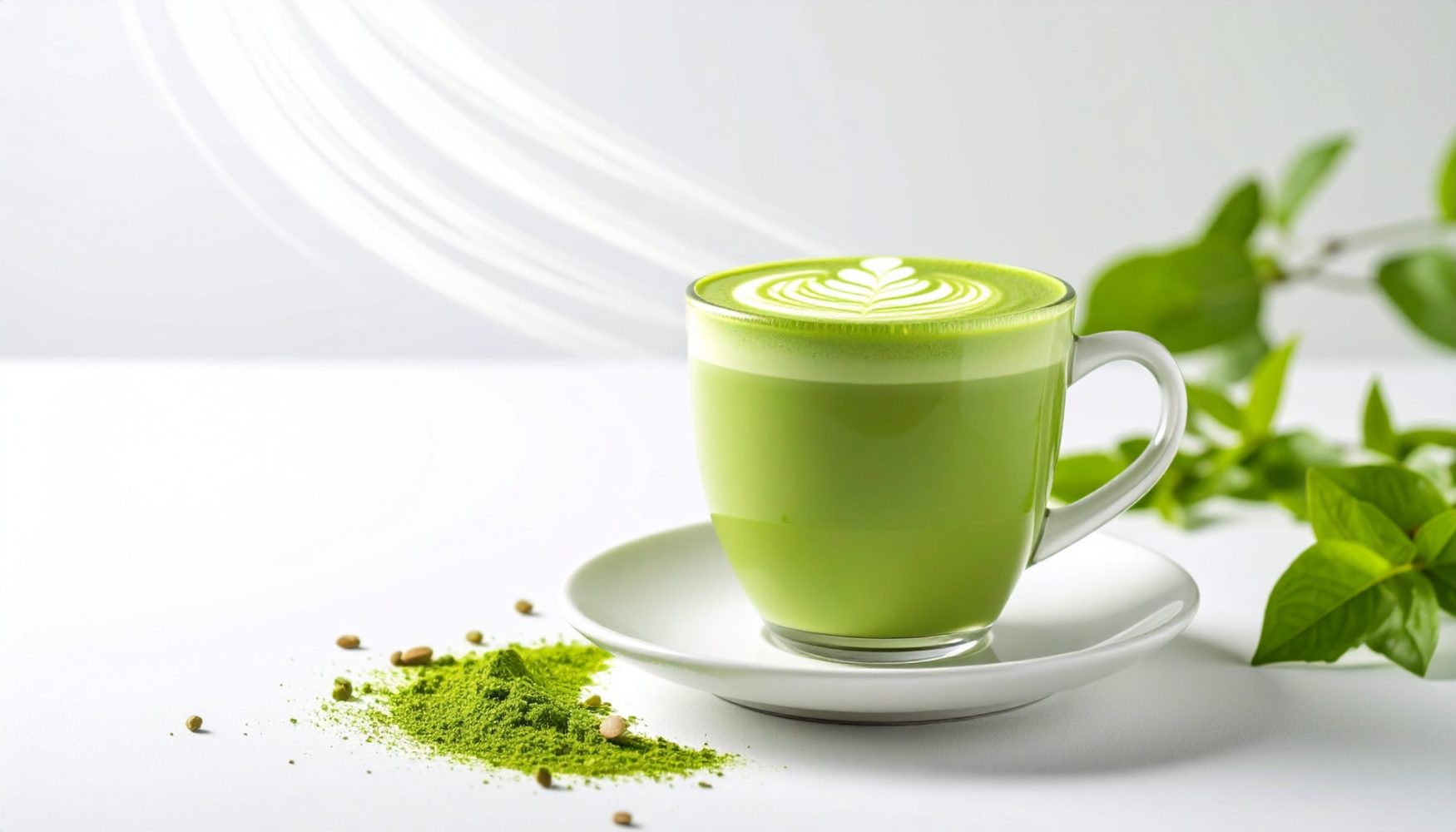
Matcha Gives You Better Energy Than Coffee (According to Science)
Written by Gordon Maudsley
Key takeaways:
- Matcha contains both caffeine and an amino acid (L-theanine) that change how caffeine is absorbed, promoting calm alertness rather than a sharp spike and crash.
- Multiple randomised controlled trials have shown the L-theanine and caffeine combination improves attention, accuracy and alertness significantly better.
- Because you consume the whole ground leaf, matcha delivers more antioxidants than a cup of steeped green tea.
- A meta-analysis of 55 randomised controlled trials found green tea supplementation significantly reduced total and LDL cholesterol.
- Matcha is one of the ingredients in Total Wellness.
For a long time, coffee was non-negotiable for me. It was part of my routine, the same as brushing my teeth. But when I started rebuilding my health after glandular fever and post-viral fatigue, I started paying much closer attention to how different things made me feel. And coffee, if I’m being straight with you, often left me feeling wired, then flat. Alert for an hour, then reaching for another cup.
That’s when I started looking seriously at matcha, and what I found surprised me. It’s not just a greener version of tea. There’s genuinely interesting science behind why so many people describe the energy it gives them as different. Steadier. Cleaner. Focused without the edge.
It became one of the ingredients in Total Wellness for a reason. Let me show you the research.
What actually is matcha?
Matcha is powdered green tea, but the way it’s grown and prepared makes it something quite different from a standard cup of green tea.
The tea plants are shaded for the last few weeks before harvest, which increases their chlorophyll (giving matcha its bright green colour) and L-theanine content. After harvesting, the leaves are processed into a fine powder.
Unlike regular green tea, matcha uses the whole leaf, so you drink all its nutrients instead of just an infusion. This means you get more L-theanine, antioxidants and EGCG. So one cup of matcha provides roughly the benefits of several cups of regular green tea.
The science behind the “calm alertness” effect
Why matcha feels different from coffee
A standard serving of matcha contains around 35–70mg of caffeine, roughly a third to a half of what you’d get in a cup of coffee. But it’s not just the lower caffeine content that explains the difference. It’s what comes alongside it.
L-theanine is an amino acid found almost exclusively in tea plants. One of the things it does is promote alpha brain wave activity. This is the relaxed, focused mental state associated with meditation or deep concentration. On its own, L-theanine induces calm without drowsiness. Combined with caffeine, the effect becomes something more useful. It slows the absorption of caffeine, smooths its release and takes the edge off the jittery, anxious quality that caffeine can produce in isolation.
The result is a different kind of energy. Most matcha drinkers describe it as being alert without being wired. A cleaner, longer-lasting focus that doesn’t end in a crash.
What the research shows
This isn’t just anecdotal. The L-theanine and caffeine combination is one of the better-studied areas in nutritional neuroscience.
A placebo-controlled study published in Nutritional Neuroscience found that combining L-theanine and caffeine improved alertness, task-switching accuracy and reduced tiredness, while either ingredient alone did not have the same effect. A later meta-analysis of clinical trials confirmed that the combination improved attention and alertness within 1–2 hours of taking it.
More recently, a 2025 study in the British Journal of Nutrition found that in sleep-deprived adults, L-theanine and caffeine together improved focus and reduced distraction compared to placebo, likely by helping the brain filter out irrelevant information.
That last point matters for most of us. It’s not just about being awake. It’s about being able to stay on the thing you’re supposed to be doing.
Matcha vs coffee: what the numbers actually show
| Matcha (per serving) | Coffee (per cup) | |
|---|---|---|
| Caffeine | ~35–70mg | ~95–200mg |
| L-theanine | ~25–45mg | None |
| EGCG | ~70–150mg | None |
| Likely crash? | Unlikely | Common |
Sources: USDA, peer-reviewed nutritional analyses
What does EGCG actually do?
EGCG (epigallocatechin gallate) is the primary catechin in matcha — a type of antioxidant found in high concentrations in green tea leaves. It’s the most studied compound in matcha and the basis for most of the research on cardiovascular and metabolic health.
A PMC-indexed review of the antioxidant properties of matcha confirmed that catechins, particularly EGCG, neutralise free radicals and increase the activity of detoxification enzymes including glutathione peroxidase and catalase — part of the body’s own antioxidant defence system. A critical review of the therapeutic potential of matcha published in PMC (2022) found evidence of anti-inflammatory and cardio-metabolic benefits across both human and animal studies, with EGCG and L-theanine identified as the key active components.
A PMC-reviewed study found that matcha’s antioxidants, especially EGCG, help neutralise free radicals and support the body’s natural detox enzymes like glutathione peroxidase and catalase. Another 2022 review also found that matcha may have anti-inflammatory and heart health benefits, mainly due to EGCG and L-theanine.
Because you drink the whole powdered leaf instead of just steeped tea, matcha provides much higher levels of these beneficial compounds than regular green tea.
What does matcha do for heart health?
The cardiovascular evidence for green tea catechins is among the strongest in the nutritional research base.
A 2023 review of 55 clinical trials found that green tea can lower total cholesterol, LDL (“bad” cholesterol), and blood sugar, while increasing HDL (“good” cholesterol). Another review of 20 trials also found it helped reduce blood pressure and total cholesterol in over 1,500 people.
This research is based on green tea and its extracts, not matcha specifically. However, matcha contains the same compounds in even higher amounts because you consume the whole leaf, so these findings are still relevant. More matcha-specific research is still needed and ongoing.
Is matcha better than green tea?
The short answer is: it depends what you mean.
Both matcha and green tea come from the same plant, Camellia sinensis. The difference is that matcha is shade-grown, which increases L-theanine, and it’s consumed as a whole powder, so you take in the entire leaf instead of just an infusion.
Because of this, matcha gives you more of the beneficial compounds like L-theanine and EGCG in each serving. Regular green tea is still healthy, but matcha is a more concentrated version with a stronger mix of L-theanine and caffeine.
Are there any side effects?
For most healthy adults, matcha is very well tolerated. The caffeine content is significantly less than coffee and the L-theanine helps buffer many of the side effects people associate with caffeine.
A few things worth knowing:
- Caffeine sensitivity: people who are sensitive to caffeine might still feel its effects. If matcha makes you feel anxious or disrupts your sleep, reduce the amount or avoid it after midday.
- Blood thinners: matcha contains vitamin K, which can interact with anticoagulant medications like warfarin. If you’re taking blood thinners, speak to your GP before adding matcha to your routine.
- Pregnancy and breastfeeding: one serving of matcha (roughly 35–70mg caffeine) is generally considered within safe limits, but the EFSA and WHO both recommend keeping total daily caffeine below 200mg during pregnancy. As with any supplement, check with your GP first.
- Iron absorption: like other teas, matcha can reduce absorption of non-haem iron. If you have low iron levels, avoid drinking it immediately before or after iron-rich meals.
- Quality matters: low-quality matcha grown in contaminated soil can contain heavy metals or pesticides. This is one of the reasons sourcing matters, and why Total Wellness uses certified organic matcha.
If you’re on medication or managing a health condition, please check with your GP before making any changes to your supplement routine.
Did you know there’s matcha in Total Wellness?
Matcha is one of the ingredients in Total Wellness, alongside organic spirulina, chlorella, barley grass, wheatgrass, kale, spinach, blueberry, acerola and a range of other whole-food ingredients — all certified organic, all additive-free.
Two teaspoons with 250ml of cold water, first thing in the morning. That’s the whole routine.
You can subscribe to save 10% and get free delivery every four weeks, which is how many customers choose to take it. It works best when used daily as part of your routine. Learn more here!
Written by Gordon Maudsley